
Recovery That Meets You Where You Are
Whether you're reaching out for yourself, someone you care about, or a client in need of support, Cenikor is here to help you take the next step. With flexible, evidence-based care and a commitment to serving everyone, we make recovery more accessible—and more sustainable.
Start the ConversationA former Marine who tried recovery six times. An Army veteran who has spent more than a decade making sure the door stays open. An Army lieutenant colonel who found a new mission in peer support. Three stories, one lesson: Veterans do better when help is within reach.
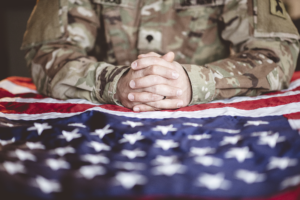
By his own estimate, Ezekiel, a former U.S. Marine Corps sergeant, moved in and out of recovery settings six or seven times.
Looking back, he says he always believed recovery was possible for him. What he had not yet done was let other people help. Eventually, that changed.
Cenikor was the first treatment program he completed. He credits a welcoming environment and people who genuinely cared with giving him hope and helping him redirect his energy toward constructive change.
Today, he talks about recovery in terms of being available to someone else, whether that means sharing his experience or simply answering the phone when another person needs support.

“Just letting them know they’re not alone.”
For Ezekiel, military service and substance abuse recovery share something in common: the importance of the people alongside you. “Each one, teach one.” Four words, and he says them with the weight of a promise. He describes fellowship as the heart of his addiction recovery, and he gives that gift back by telling his story, answering a call or letting another veteran know they aren’t alone.
He also remembers a period after returning home when he felt his voice did not matter and adjusting to civilian life was difficult. His experience underscores why listening to veterans themselves should be part of every conversation about treatment and recovery.
He reminds fellow veterans that they once took an oath to protect the Constitution against enemies foreign and domestic. Now, he says, the enemy is addiction, and the way forward is to put the boots on and ask for help.
“Give yourself a chance.” – Ezekiel, Former Marine and Cenikor Client
Ezekiel’s journey is one voice among many Veterans at Cenikor. Across Texas and New Mexico, Cenikor has spent years building relationships with veteran-serving organizations and expanding pathways to care, including outpatient services that help people keep up with daily responsibilities while receiving treatment. The goal is straightforward: make it easier for veterans to connect with help when they are ready.
From Serving the United States to Serving Fellow Veterans
Keith knows something about persistence. He joined Cenikor in May 2013 as a part-time Behavioral Health Technician in Waco, but his path began years earlier in the U.S. Army. He served for approximately eight years across active duty, the Texas National Guard and the Army Reserve, leaving as an E5. The service reinforced the value of discipline, structure and routine, lessons that followed him into his career.
Just as important was understanding that a veteran’s experiences can shape how they respond to their surroundings. Early on, walking down the halls of Cenikor in Waco, Keith remembers being careful about knocking loudly on a veteran’s door first thing in the morning when he knew that person had experienced trauma.
It was a simple gesture rooted in a larger principle, see the individual first, understand their journey that led them to treatment and provide every veteran understanding that they bring a different set of experiences into treatment.
Asked what his Army service gave him and how it shapes his work at Cenikor, Keith did not hesitate:
“Definitely discipline. You definitely want to have a routine, have discipline in your life. I think that goes a long way. It certainly did help me grow up, because I joined when I was 18.”
How Cenikor’s Veteran Services Have Grown
Over the years, as Keith has watched Cenikor build stronger relationships with VA representatives and other veteran-serving organizations. His own role grew along with them, from Behavioral Health Technician to Lead BHT and eventually to veteran liaison work that has taken him from Waco and Houston to Dallas and Tyler. One lesson became clear: relationships matter.
Keith has learned that a veteran’s path into treatment is rarely simple. Needs, eligibility, location and funding all play a part, and he believes strong relationships are what help people find their way through. He points to Cenikor’s longstanding partnership with the Central Texas VA as proof and says why it works isn’t complicated: referral partners know whom to call. “They know they can reach out to me at any time and get veterans in.”
That matters because treatment can only help veterans who know it exists. Families need to know where to turn, and referral partners need to know how to connect someone with care.

Expanding Access Through the Texas Veterans Commission
For many veterans, the hardest part is not deciding they need help. It is knowing where to start. The Texas Veterans Commission is one more door in a network of support for Texas veterans and their families, and Cenikor is proud to walk through it with them. Through TVC-funded mental health therapy, eligible veterans, surviving spouses and dependent children can sit down with a professional counselor and begin to work through what they are carrying.
In Corpus Christi, a relationship developed over many years with veteran referral partners in the Coastal Bend is paying off, sustained by Cenikor employees and local partners who keep investing in it. “Corpus works very well. We have a very good working relationship with them.” A new $200,000 Texas Veterans Commission grant builds on that foundation, funding clinical counseling that expands access to care for veterans in the Coastal Bend and across the state.
It is not meant to replace the care veterans already receive. Those actively using VA mental health services should keep that support in place. Instead, it offers another path for someone who might otherwise fall through the cracks. A quick conversation with Cenikor can help sort out eligibility, so the person asking for help is not left to figure it out alone.
Why Outpatient Treatment Can Be an Important Option
Treatment does not always mean stepping completely away from daily life. For an appropriate client, outpatient treatment can provide structure and ongoing support while allowing the person to keep managing responsibilities outside treatment.
Keith sees the value in that. “I think there’s definitely a routine to it, and there’s definitely structure to it,” he said. But he believes availability and communication matter just as much. People need to know there is somewhere they can reach out for help.
For veterans especially, he believes persistence is critical. Someone may receive information about treatment and not act right away. Another person may begin services and struggle to stay engaged. Neither situation means the door should close.
“You have to keep trying,” he said. “You don’t ever know when the time that you try is going to be the right time that actually reaches them and gets them on the other side of things.”
During an earlier admissions role, someone once asked him how many times he would help a person get into treatment. His answer has become the philosophy behind his work:
“As many times as it takes.”
Helping Texas Veterans Know Where to Turn
After more than a decade at Cenikor and years of traveling among veteran communities and VA partners across Texas, Keith sees awareness as one of the biggest opportunities.
“A lot of people don’t know where to go,” he said.
A veteran or family member might be searching for:
- Veteran outpatient treatment in Texas
- Substance use treatment for veterans
- Veteran services in Corpus Christi
- Mental health counseling for Texas veterans
- Texas Veterans Commission services
- Help for veterans not currently receiving VA mental health services
They shouldn’t have to understand every program, referral requirement or funding source before asking for help. Depending on eligibility and circumstances, Cenikor may be able to connect veterans and qualifying family members with TVC-funded mental health therapy, outpatient services or other appropriate resources. The first step can simply be asking what options are available.
Keith’s military experience still shapes his work. The discipline and consistency he learned as a young soldier now show up in a different kind of service: helping people find another opportunity to move forward. For veterans considering treatment, his message is direct:
“There is a life on the other side. All you got to do is reach out for help, and someone will help you. Cenikor’s here to help you.”
Pete Wells: Finding a New Mission
Pete Wells spent 30 years in the Army National Guard and Army Reserve and retired as a lieutenant colonel. His service included a mobilization to Iraq during the surge for Operation Iraqi Freedom, where he was deputy team leader of a provincial reconstruction team in Wasit province, and active duty at U.S. Central Command in Tampa, Florida, where he retired.
Retirement came at 62, and with it a different kind of challenge. A friend who had also served saw it right away. “Pete, you just don’t have a mission,” he told him. Pete agreed.
The answer arrived in August 2024 at a meeting of his home group in Fort Worth. A woman walked in wearing a peer support badge, and when she explained what the role involved, Pete says he knew he had found his calling. He left the meeting to find out what it would take to become a peer support specialist. He joined a high impact team with MHMR in Tarrant County that October and came to Cenikor in January 2026 as a recovery peer support specialist.
“I just feel blessed that I am able to do this job, to be able to affect in a positive way another person’s life.”
Pete says his three decades in uniform prepared him for the work. Mentoring peers and subordinates taught him to meet people where they are. “Everybody has to be mentored to where they are at that particular point in time, including myself.”
With veterans, he often starts by finding out where they served, then speaks in terms they know. Recovery becomes a mission. The 12 steps become an operations order. When someone has relapsed, he turns to the Army’s after-action review: what went right, what went wrong and how to do better. Pete says he has been through relapse himself, and that the approach cuts through the confusion many veterans feel after leaving a structured life for an unstructured one.
Connection is the other half of his message. He says recovery depends on fellow travelers, sponsors and support systems, and that when people stop using those connections, relapse becomes a real danger. As a peer specialist, he describes his role as that of a coach and mentor who helps people navigate what recovery looks like for them, including encouraging them to continue into Cenikor’s outpatient programs and recovery coaching after residential care.
“I do believe that we have a good team, and our team does its dead level best to give them the best recovery experience that we can offer.”
Pete is also the contact for Cenikor DFW’s weekly recovery housing meetings in Irving, held on the second, third and fourth Thursday of each month. Those gatherings give residents a regular place to talk about household needs, recovery and recreational activities.

Persistence, Service and Hope
Three veterans. Three different roles. Their stories are not one story, but a shared lesson runs through them: people recover when someone is willing to stay connected.
Ezekiel found hope in a program that welcomed him and now offers it to the next person. Keith keeps the door open as many times as it takes. Pete, who once lacked a mission, now helps other veterans find theirs. Each reminds veterans that asking for help can be its own act of strength.
Sometimes reaching out once is all it takes. Sometimes it isn’t. Either way, the opportunity to ask for help should always remain open.
Find Veteran Treatment and Support in Texas
If you are a veteran or family member looking for behavioral health or substance use support in Texas, Cenikor can help you explore available resources and understand your next steps. Eligible veterans, surviving spouses and dependent children may also qualify for Texas Veterans Commission-funded mental health therapy; eligibility requirements apply, and these services are intended for those not currently receiving mental health services through the VA.
Call Cenikor at 1-888-236-4567 to learn more about available services and next steps.
Services, eligibility, funding and availability may vary by program, location and individual circumstances. Texas Veterans Commission-funded services have specific eligibility and documentation requirements. Contact Cenikor for current information about available services

About Texas Veterans Commission
The Texas Veterans Commission advocates for and provides superior services to veterans, their families, and survivors. Through the Fund for Veterans’ Assistance, TVC awards grants to organizations across Texas that address critical veteran needs through programs including clinical counseling, housing assistance, legal services, financial assistance, and other supportive services.
For more information, visit www.tvc.texas.gov.
Recovery Built for Real Life
Recovery doesn't have to feel out of reach. At Cenikor, we provide practical, affordable care designed for real life—whether you're navigating substance use, supporting a loved one, or helping someone find the right level of care.
Explore Your Options Written by Cenikor’s Clinical & Compliance Team